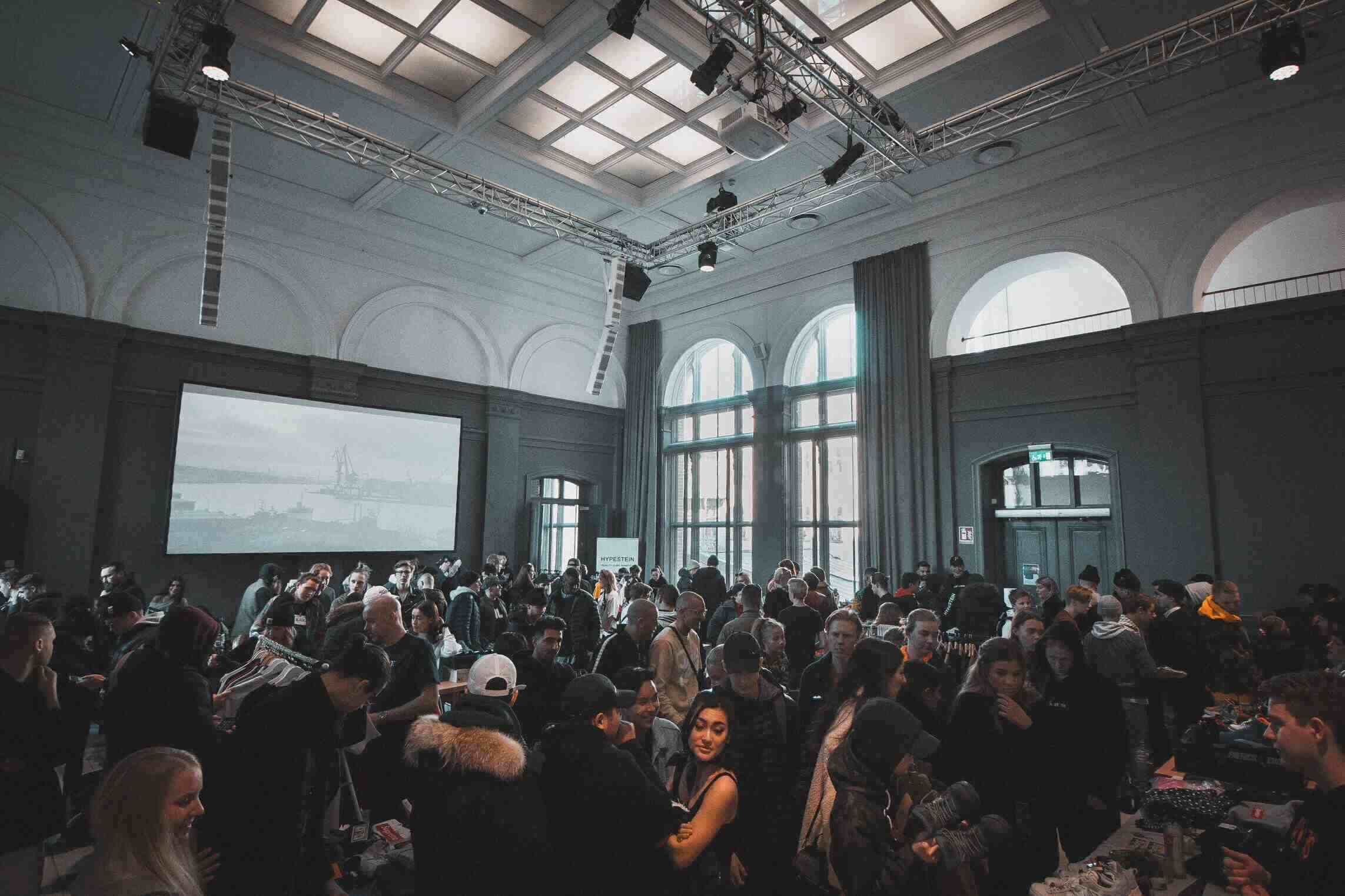
Real-Time Coverage Strategy for Events
When your company hosts an industry summit or conference, the pressure to capture every meaningful moment can feel overwhelming. Yet the difference between an event that generates buzz for months and one that fades from memory within days often comes down to how well you execute real-time coverage. PR professionals who master on-site visuals, field reporting, and journalist interactions create content libraries that drive leads, secure media mentions, and position their organizations as industry authorities. This guide walks through proven tactics to turn your next event into a content goldmine, from flexible messaging frameworks to post-event repurposing strategies that maximize ROI long after attendees leave.
Build Flexible Messaging for Live Events
Real-time event coverage demands a balance between preparation and adaptability. Start by creating a content plan that outlines core messages tied to your company’s positioning, but build in flexibility triggers that allow your team to pivot based on audience reactions. Monitor social mentions using tools like Brandwatch or Sprinklr to catch spikes in engagement around specific topics, then adjust your messaging to amplify what resonates. For example, if attendees start tweeting enthusiastically about a particular speaker’s insights on AI applications, your team should be ready to create follow-up posts, capture additional quotes, and share related resources within minutes.
Twitter remains the primary platform for real-time event coverage due to its speed and reach among professional audiences. While Instagram and LinkedIn serve important roles—Instagram for behind-the-scenes Stories and visual highlights, LinkedIn for thought leadership posts—Twitter’s format allows for rapid-fire updates, live-tweeting of sessions, and immediate engagement with attendees and journalists. A comparison of engagement patterns shows Twitter posts during events typically generate 40-60% more immediate interactions than LinkedIn posts, though LinkedIn content often has longer shelf life for professional audiences discovering your event coverage weeks later.
Empower your on-site team to post without waiting for approval chains. Create a pre-approved messaging framework that defines what types of content can go live immediately versus what needs review. Quick-post categories might include session quotes from speakers, attendee testimonials, photos of packed rooms, and announcements of networking activities. Reserve approval requirements for sensitive topics like product announcements, executive statements on industry controversies, or content involving partners. This empowerment protocol prevents the common pitfall of missing timely moments because content sat in an approval queue while the relevant session ended and attendees moved on.
Maintain consistency by sticking to key messages relevant to your industry space. Avoid the temptation to chase every trending topic that surfaces during your event. If your company focuses on cybersecurity solutions, your live coverage should emphasize security themes even when a speaker touches on tangential topics. This discipline keeps your event narrative coherent and reinforces your positioning, making it easier for journalists and attendees to understand what your organization stands for.
Capture On-Site Visuals and Field Reports
Visual content captured during events serves marketing needs far beyond the event itself. Assign a two-person crew—one to shoot photos and video, one to coordinate subjects and handle logistics—equipped with smartphones, a stabilizing gimbal, and a portable tripod. Modern smartphones produce broadcast-quality video when used with proper lighting and stabilization, eliminating the need for expensive camera equipment. Focus on capturing short-form clips of 15-60 seconds that work for social platforms: attendee testimonials, quick speaker soundbites, crowd reactions, and product demonstrations.
Develop a shooting list before the event that includes must-have shots: registration area activity, keynote speaker moments, networking sessions, sponsor booth interactions, and closing remarks. Schedule specific times to capture these elements, but remain flexible to grab unexpected moments like spontaneous conversations between industry leaders or attendee reactions to surprise announcements. Edit clips on-site using mobile apps like InShot or Adobe Premiere Rush, adding captions and your company branding before posting to maximize immediate engagement.
Create a posting schedule that maintains momentum throughout the event without overwhelming your audience. A typical conference day might include: morning registration photos (7-8 AM), keynote highlights (9-10 AM), breakout session quotes (11 AM-12 PM), lunch networking video (12:30 PM), afternoon workshop clips (2-4 PM), and evening reception photos (6-7 PM). This rhythm keeps your social channels active while giving your team breathing room to capture quality content rather than posting frantically every few minutes.
Provide high-resolution photos to journalists covering your event, making it easy for them to embed visuals in their articles. Create a shared folder—via Dropbox, Google Drive, or a media kit platform—that updates throughout the event with captioned, publication-ready images. Coordinate these photos with your own social posts so journalists see the same compelling moments you’re highlighting, increasing the likelihood they’ll use your visuals and mention your event in their coverage.
Handle Journalist Meetups and Audience Interactions
Pre-event preparation makes on-site journalist interactions far more productive. Research 10-15 journalists likely to attend or cover your event using media databases like Prowly or Cision. Note their recent articles, beat focus, and preferred contact methods. Create modular materials—one-page fact sheets, executive bios, product specs—that can be customized on-site based on each journalist’s specific interests. Maintain a live spreadsheet accessible to your team with editors’ preferences, contact information, and notes from any pre-event conversations, segmented by outlet type (trade publications, national media, local news).
Arrange short-notice interviews with your company’s executives or event speakers for journalists who express interest on-site. Keep a 30-minute buffer in your executives’ schedules specifically for these opportunities. Personalize every outreach by name and reference specific articles the journalist has written, showing you’ve done your homework. This approach builds relationships that extend beyond a single event, creating a network of media contacts who remember your professionalism and responsiveness.
Attend industry events in person to make genuine connections with journalists and attendees. Discuss non-work topics—recent industry news, shared professional challenges, even local restaurant recommendations—to build rapport that transcends transactional pitching. When you do present newsworthy angles from your event, frame them around live moments that give journalists a timely hook: “Our CEO just announced a partnership with [Company] during her keynote” or “Attendees are responding strongly to our new feature demo in the expo hall.”
Redirect complaints or sensitive questions privately rather than addressing them in public social channels. If an attendee tweets frustration about registration delays or session overcrowding, respond publicly with empathy and an invitation to discuss via direct message, then resolve the issue away from public view. This approach shows responsiveness while preventing negative threads from dominating your event’s social presence.
Measure Success and Repurpose Content
Track detailed metrics that connect your event coverage to business outcomes. Set specific goals before the event—such as 50+ media placements, 30% increase in backlinks to your website, or 1,000 new email subscribers—then monitor progress using integrated PR-marketing dashboards. Real-time analytics during the event should focus on engagement indicators: social post reach and interactions, profile views, content downloads, and badge scans at your booth. Tools like Sprinklr or Hootsuite provide live dashboards that show which content types and posting times generate the strongest response.
Build a post-event content bank by organizing all captured materials—photos, videos, quotes, testimonials—in a searchable library. Tag content by theme, speaker, session topic, and format to enable easy retrieval for future campaigns. This library becomes a resource for blog posts, email campaigns, sales enablement materials, and promotional content for your next event. A single well-covered event can generate 20-30 pieces of repurposed content over the following 6-12 months.
Calculate ROI by comparing engagement lifts across channels. Events with strong real-time coverage typically see 2x increases in Instagram interactions, 40-50% growth in Twitter followers, and 25-35% more website traffic during the event period compared to baseline. Track how many attendees convert to qualified leads by monitoring form submissions, demo requests, and sales conversations that reference the event. Present these metrics to stakeholders as storytelling data that demonstrates the business value of your coverage efforts.
Verify content authenticity to maintain credibility in your post-event materials. If you captured attendee testimonials or quotes from speakers, confirm you have permission to use them in ongoing marketing. Fact-check any statistics or claims made during sessions before incorporating them into your content bank. This verification process prevents embarrassing corrections later and builds a reliable resource your team can confidently draw from.
Moving Forward with Your Event Coverage Strategy
Real-time event coverage transforms fleeting moments into lasting business assets. By preparing flexible messaging frameworks, equipping your team with mobile capture tools, building journalist relationships before and during events, and measuring results that matter to your organization, you create a repeatable system that improves with each event. Start by auditing your last event’s coverage to identify gaps—missed photo opportunities, delayed social posts, or journalist interactions that fell through—then address those weaknesses in your next event plan. Assign clear roles to team members, establish posting protocols that balance speed with quality, and create feedback loops that capture lessons learned while they’re fresh. Your next event represents an opportunity to generate months of valuable content, secure media coverage that positions your company as an industry leader, and build relationships that pay dividends long after attendees return home.
Learn how to master real-time event coverage with proven tactics for on-site visuals, journalist interactions, and flexible messaging to maximize ROI.